AI Garden Design From Your Photo
Use this AI garden design tool with your photo, US ZIP, full outdoor dimensions and sunlight. Explore climate-matched plant references and compare the garden design with your original photo. Quantities assume a border layout, not measurements from your photo.
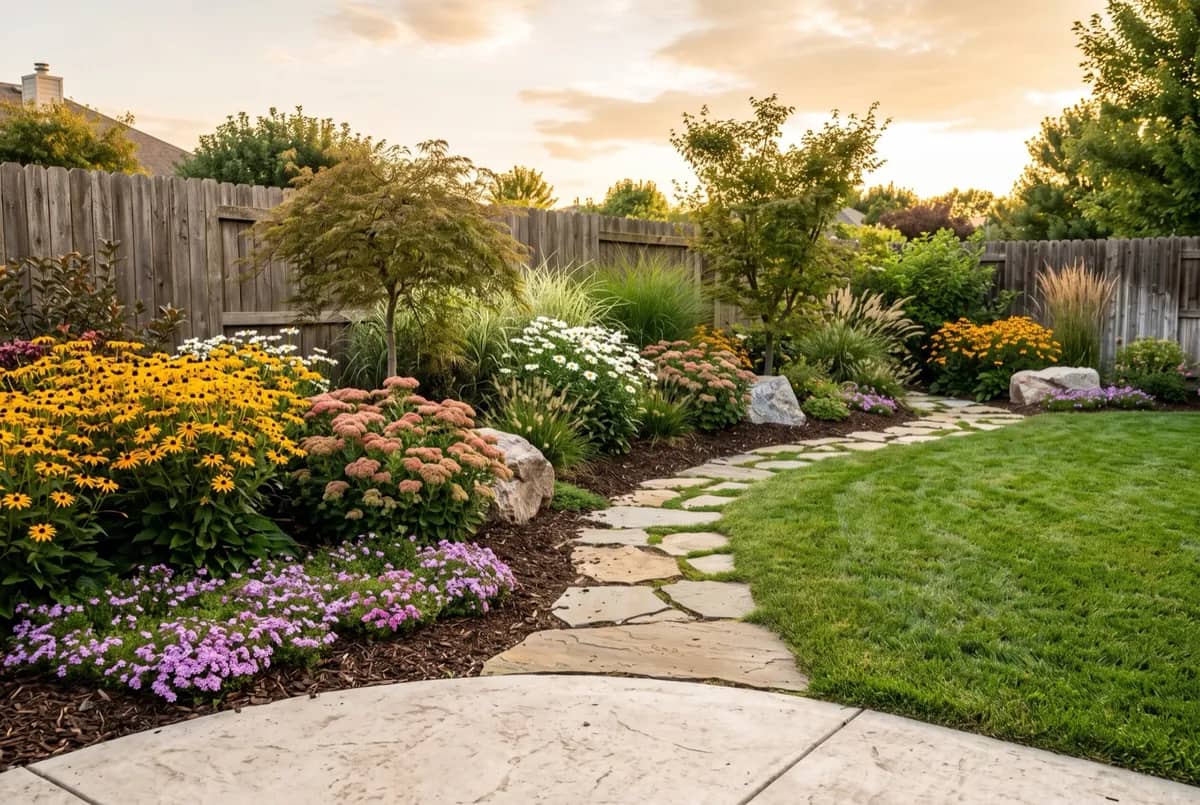
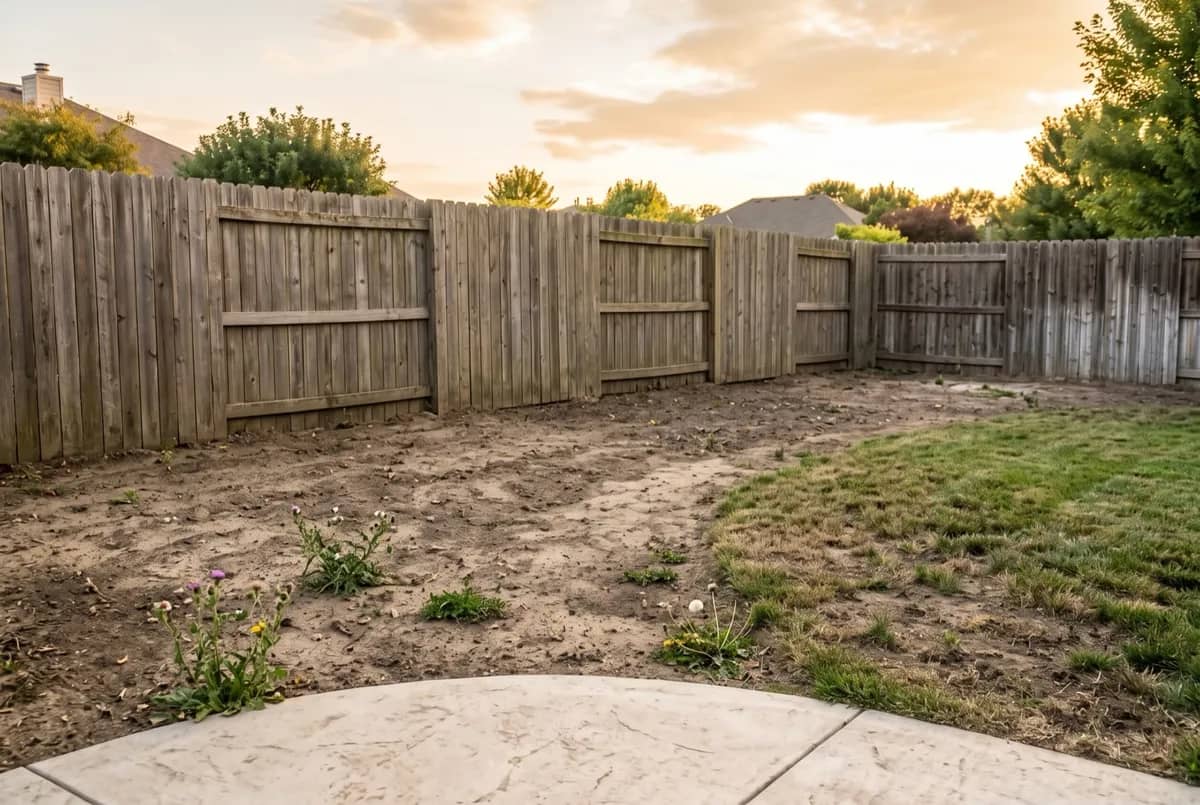
Design
Upload a photo and generate to see your own design here.
See plant records for your ZIP
Choosing plants for zone 6? Compare sunlight, mature size and spacing before you design.
Why choose this AI garden design tool

Plants that live where you live
Your ZIP resolves to a winter-temperature zone. The planting reference is filtered by recorded zone and sunlight values. It cannot account for soil, drainage, summer heat, care or every cultivar difference. A generated image is not a species identification.
Spaced for the size they'll reach
Nursery pots lie about scale. A shrub sold at knee height may want six feet of width in four years, and a bed planted at pot spacing is a bed you thin out twice. The garden design tool spaces each group by its mature spread.
A photo and a plant list
Use the AI garden designer’s render to explain the look you want. The plant palette is filtered for your hardiness zone and sunlight; quantities and plant costs are reference estimates for an assumed border layout. New paths, seating or water features can reduce planting space, so confirm the final layout and quantities on site.
How to use the AI garden design planner
Photograph the space
One daylight shot of the bed or yard from where you usually stand. Include the house wall or fence if there is one — it sets the scale.
Add your ZIP and bed size
The ZIP sets your hardiness zone. Width, depth and available sun decide how many plants fit and which of them will thrive there.
Take the list shopping
Out comes the planted render and the species list behind it. Change the sun setting or the bed size and run it again.
Not sure what to plant? Start with your zone
Compare recorded growing ranges, mature size and spacing. Confirm lifecycle, cultivar and local conditions before planting.
AI garden design FAQ
Is it free?
Explore one garden design with a free watermarked preview, without signing up. The allowance is shared with other tools. A paid plan provides the clean original and credit-based further changes.
How are plants matched to my garden?
The planting reference uses your supported location and sunlight choice to filter recorded hardiness ranges and light requirements. Review mature sizes and spacing as you plan your bed.
How many plants will I need?
The reference quantities use mature spread and an assumed border layout derived from your dimensions. They are not counted from the generated image. If you change paths, beds or other features, remeasure the remaining planting space before buying.
Is it realistic enough to show a landscaper?
As a brief, yes — species, quantities and spacing are all things a contractor can quote against, and the render tells them the look you are after. It is not a planting plan drawn to scale, so expect them to adjust it against what they find on site.
Is this the front-yard page or the patio page?
Neither. This one is a planting bed: species that get through your winter, how far apart, and how many to buy. The front-yard page is the view from the street across the whole property. The enclosed-yard page is the space behind the house, planted around the patio you already have.
Does it handle hardscaping or drainage?
You can request a path, patio, seating area or water feature as a visual concept. Existing features stay by default; explicit requests can change them and the adjacent lawn or beds. The image does not calculate drainage, foundations or structural details; a contractor must resolve those on site.
How can I prepare my garden before planting?
Review the suggested mature sizes and spacing, measure the planting area and check its sunlight, soil and drainage. Bring the reference list to a local nursery to discuss suitable varieties and care.
Choosing perennials for zone 6? See the zone 6 perennials list, or start a brief from these AI landscape design prompts. New to this? Read how to design a garden using AI from a single photo.
More tools for outdoor spaces
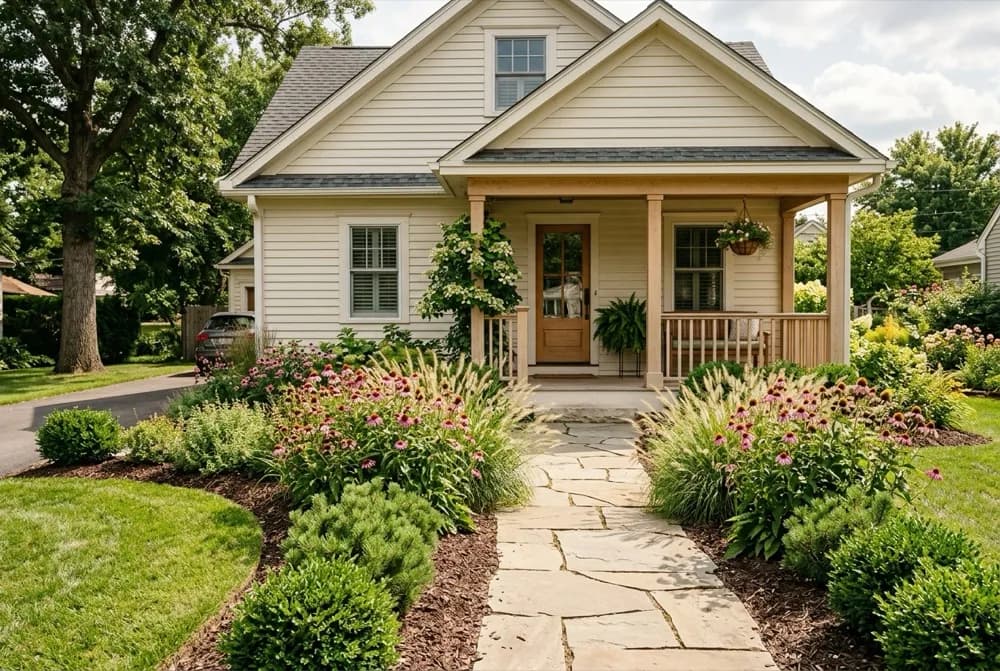
AI Landscape Design
Explore a new direction for your outdoor space.
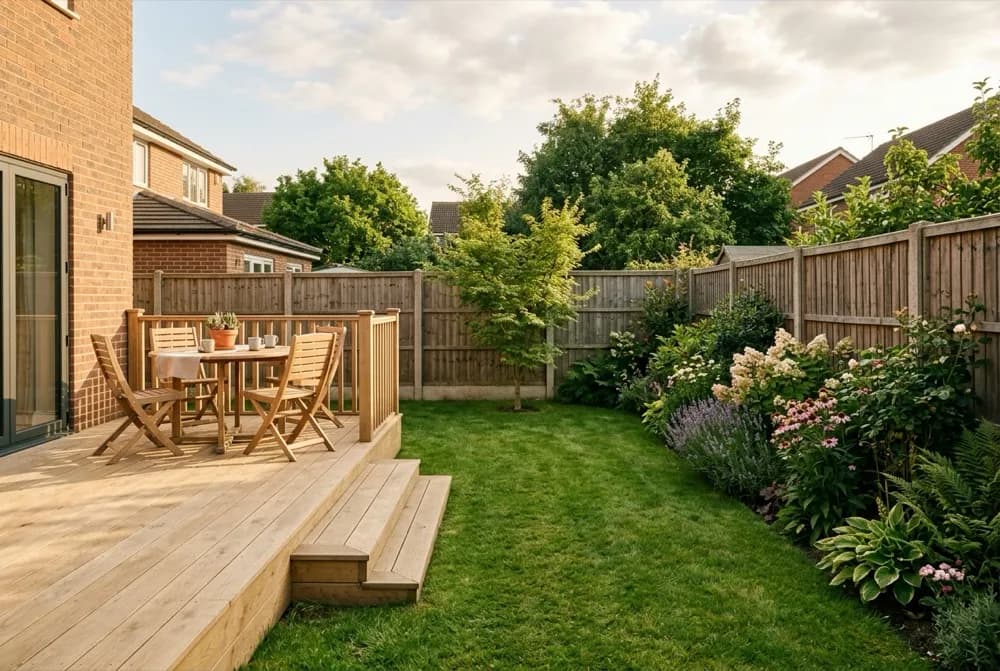
AI Backyard Design
Compare ideas for the backyard you already have.
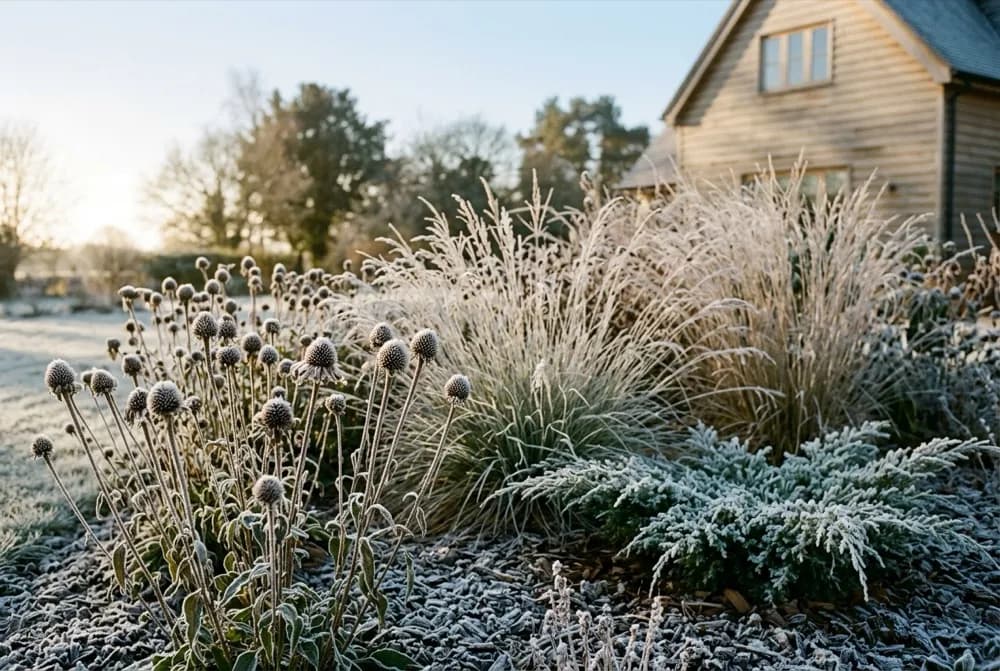
Hardiness Zone Finder
FREECheck your supported local hardiness zone before choosing plants.
AI Room Design
Upload a photo, get it back redesigned
Exterior Renovator
Test a new facade direction from your photo
AI Interior Design
Explore a new look for your room with furniture, colors and finishes.
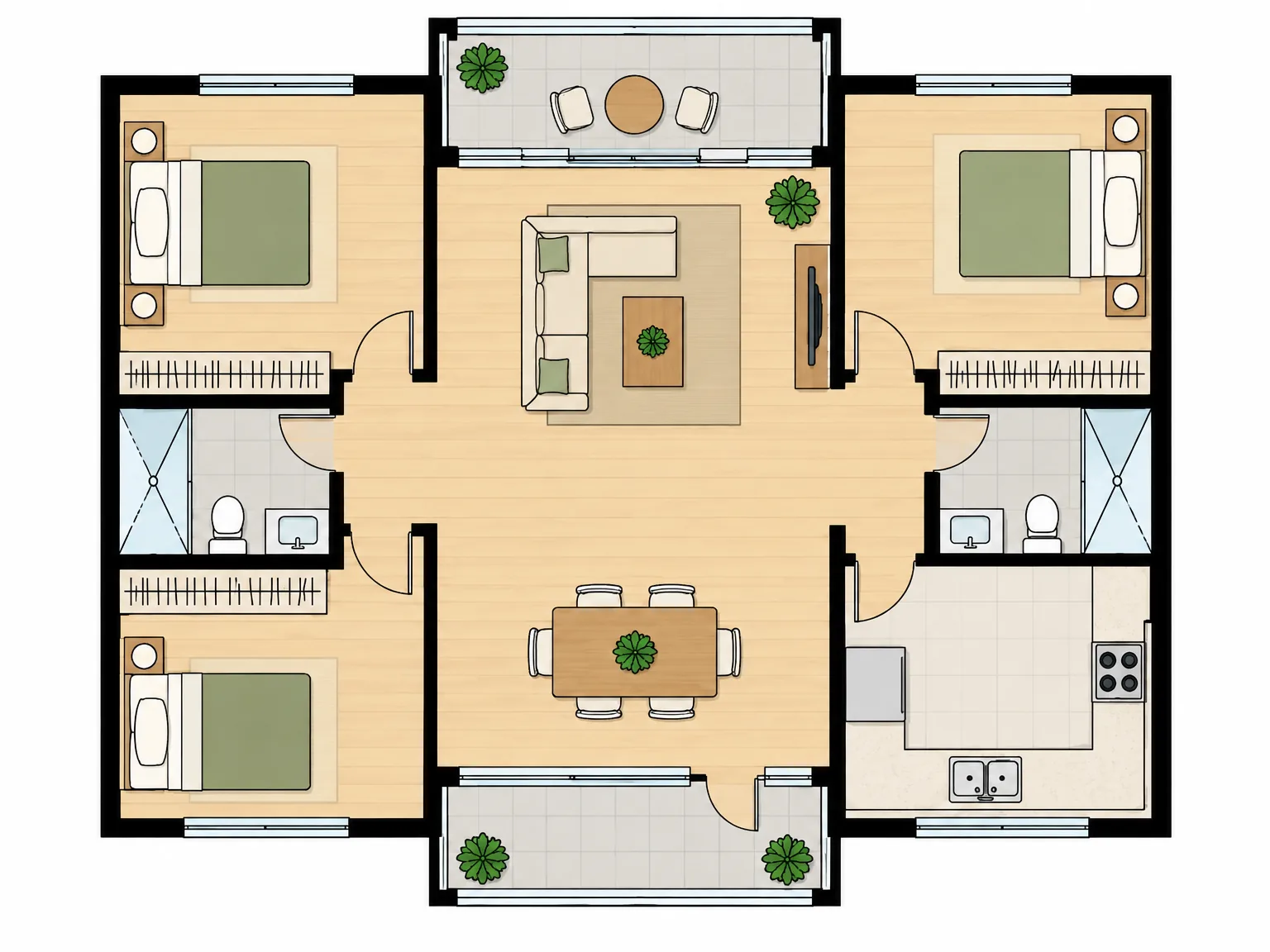
AI Floor Plan
A concept plan from the rooms you need
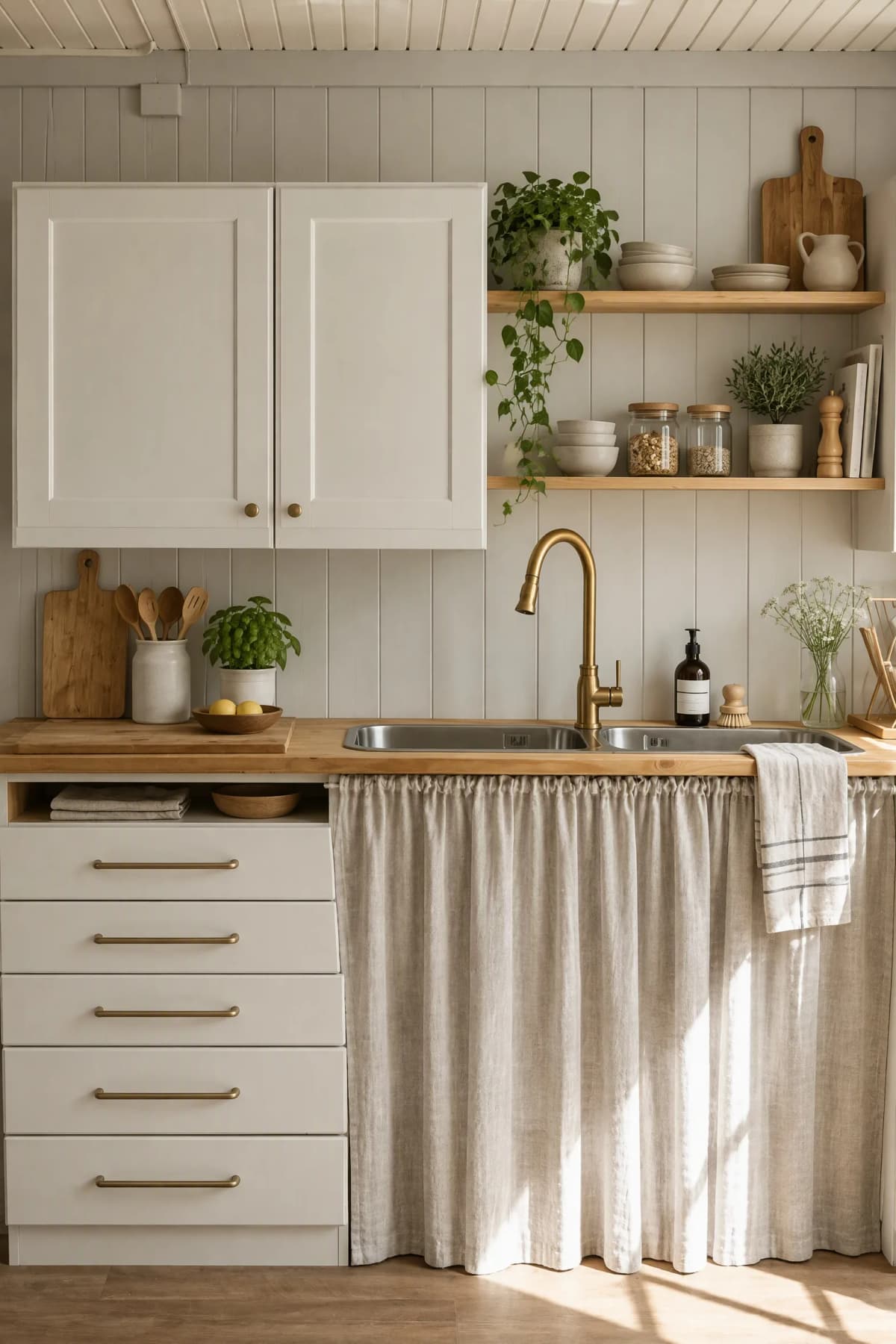
AI Kitchen Design
Explore kitchen styles from your photo.
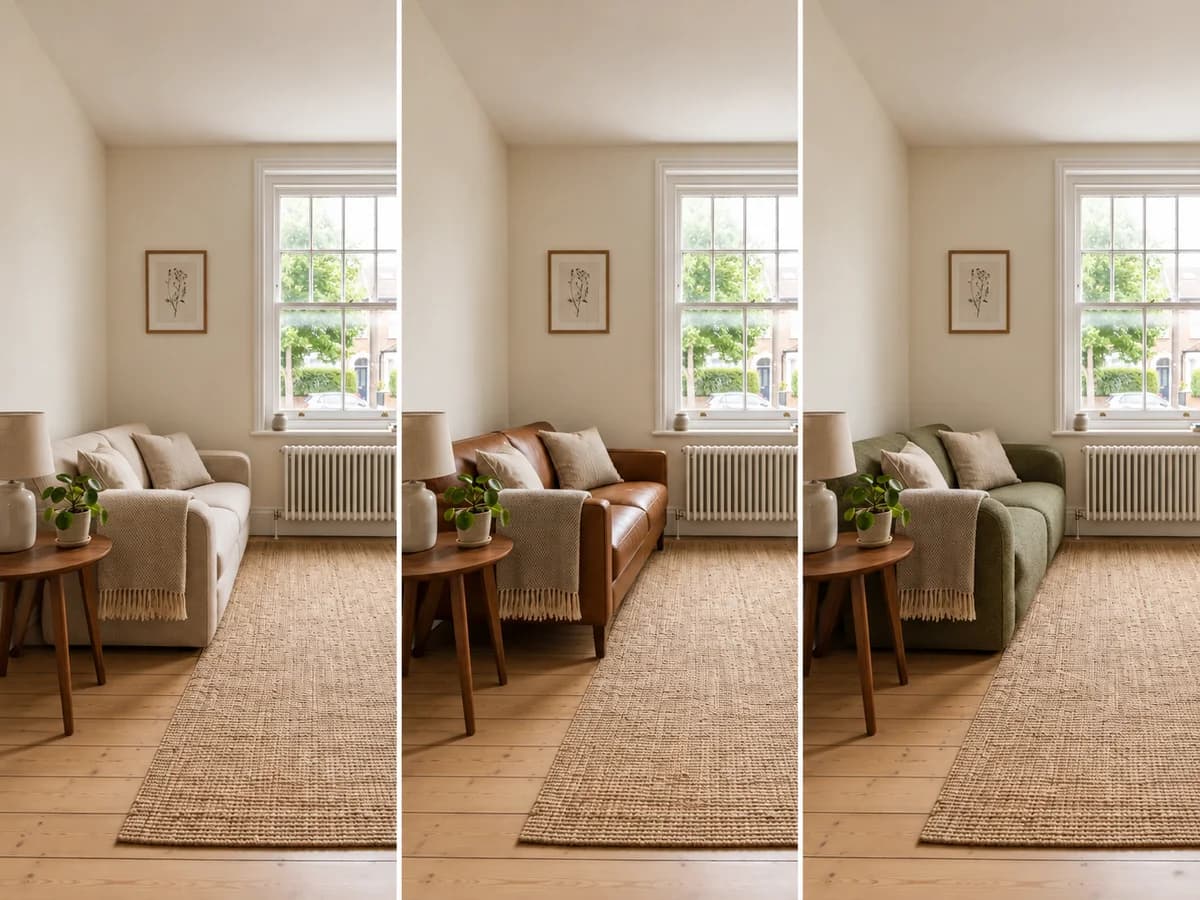
Replace Furniture
Explore a replacement for a selected piece in your room photo.
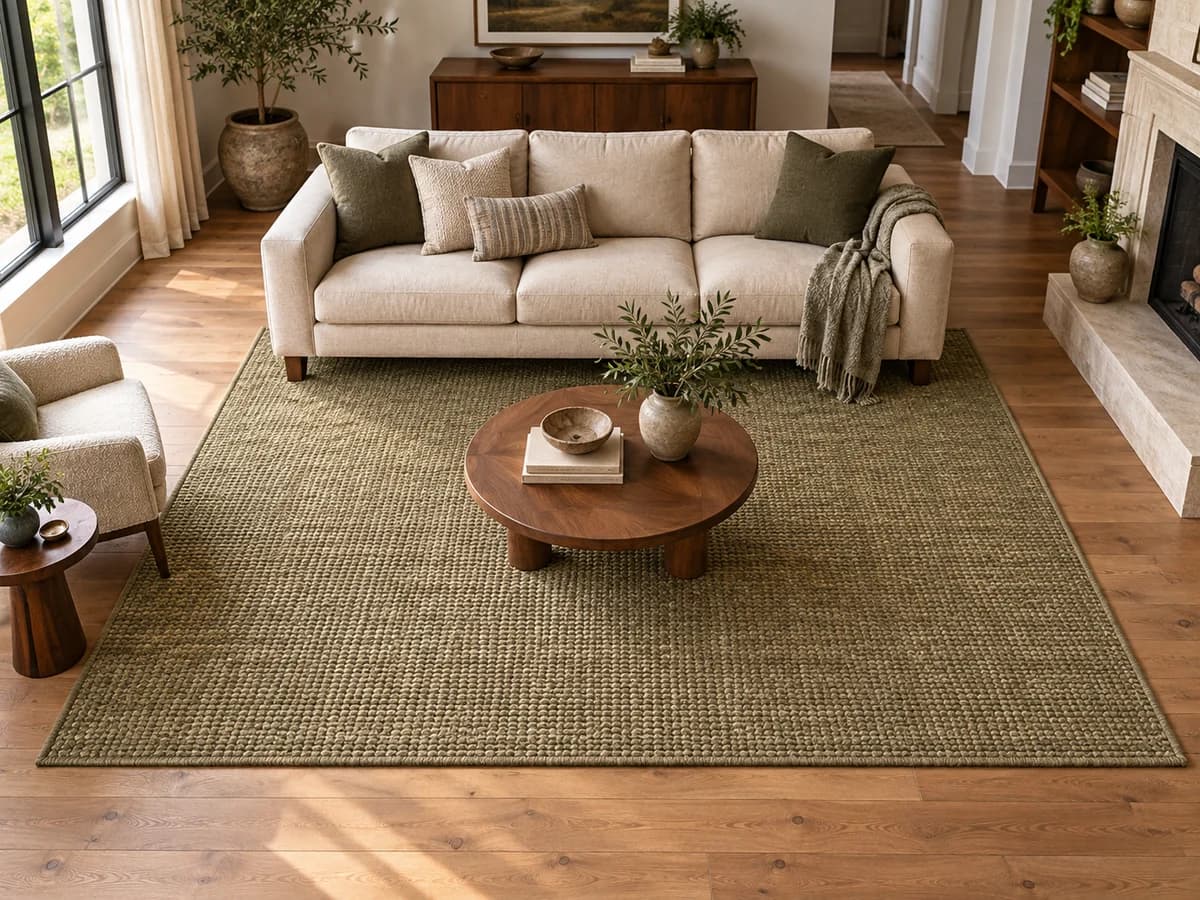
Rug Size Calculator
FREECompare rug sizes with your room and furniture measurements.
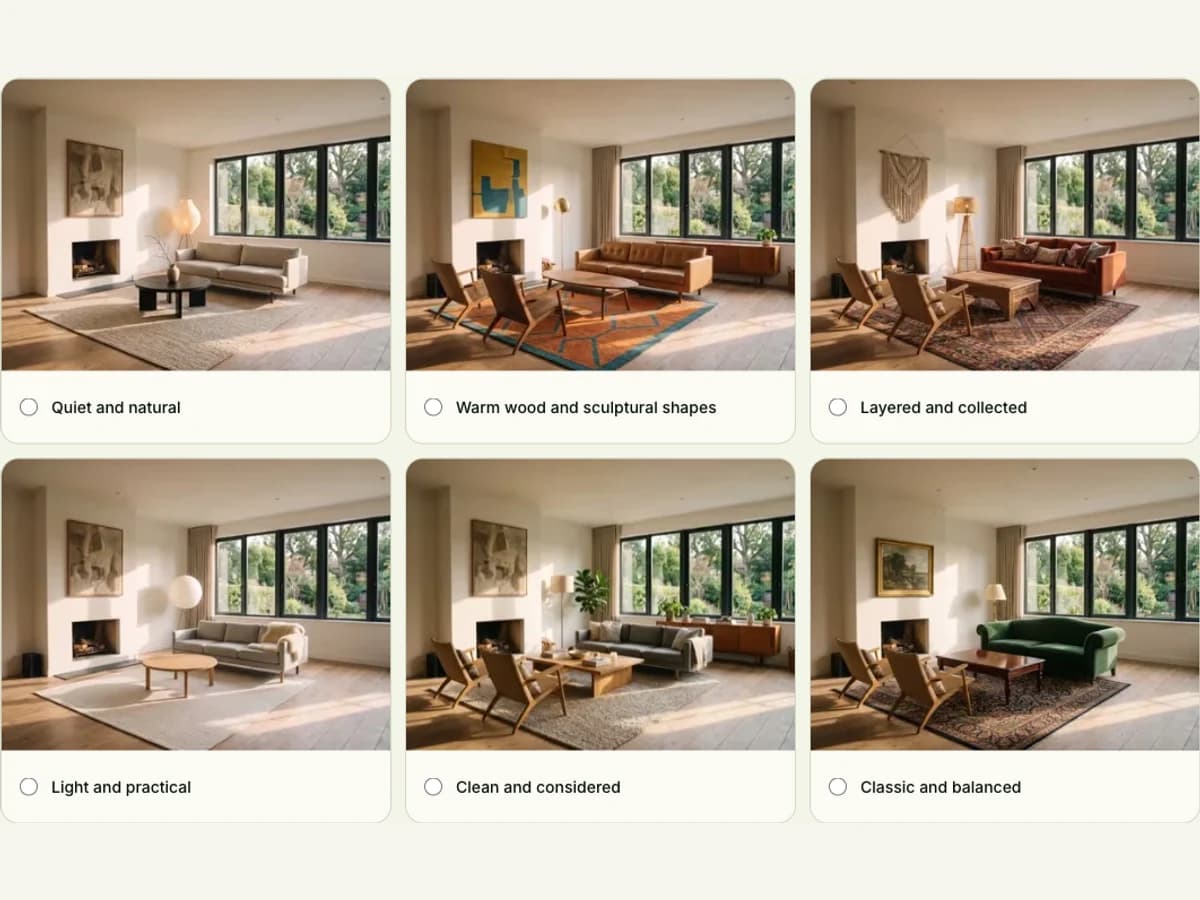
Interior Design Style Quiz
FREEFind your style mix from room, color and material preferences.
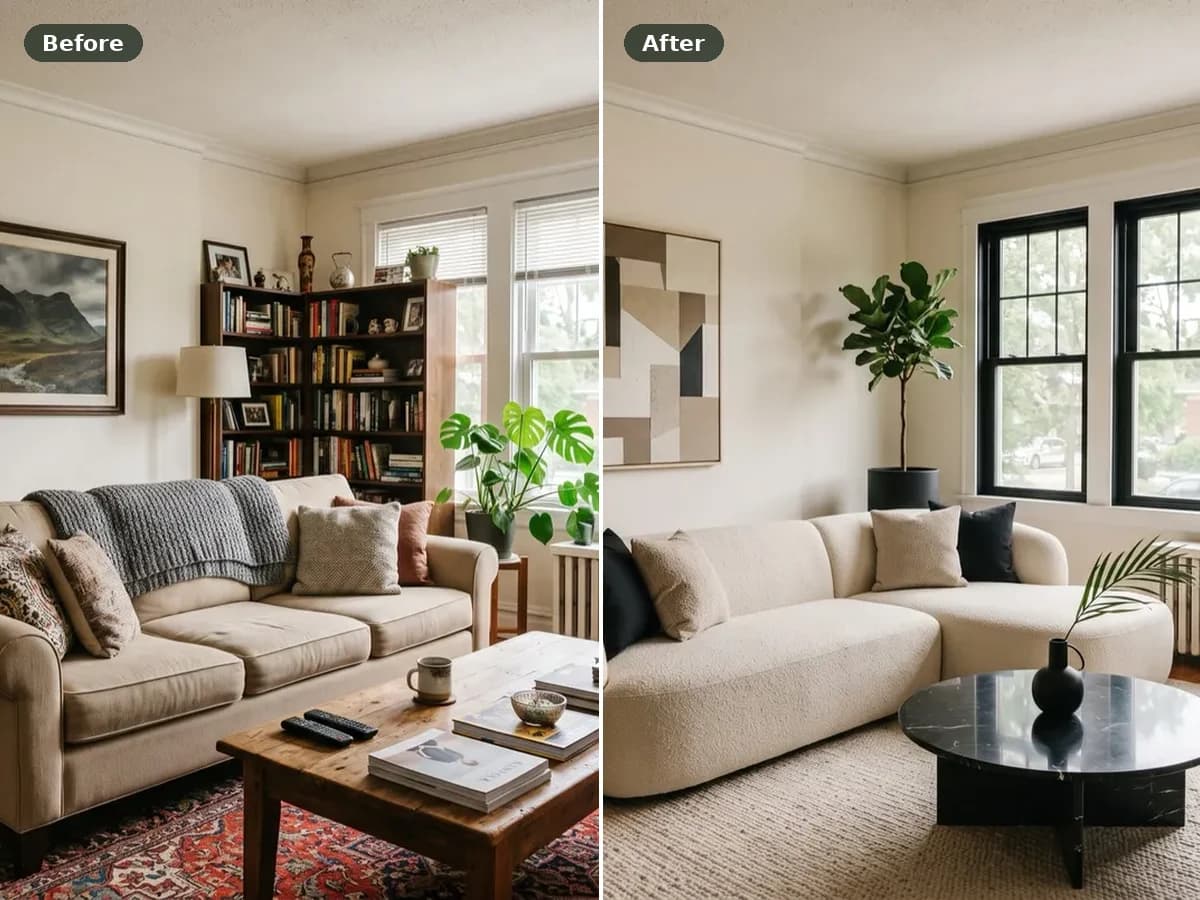
Before and After Photo Maker
FREECombine two photos into a labeled comparison and download it.
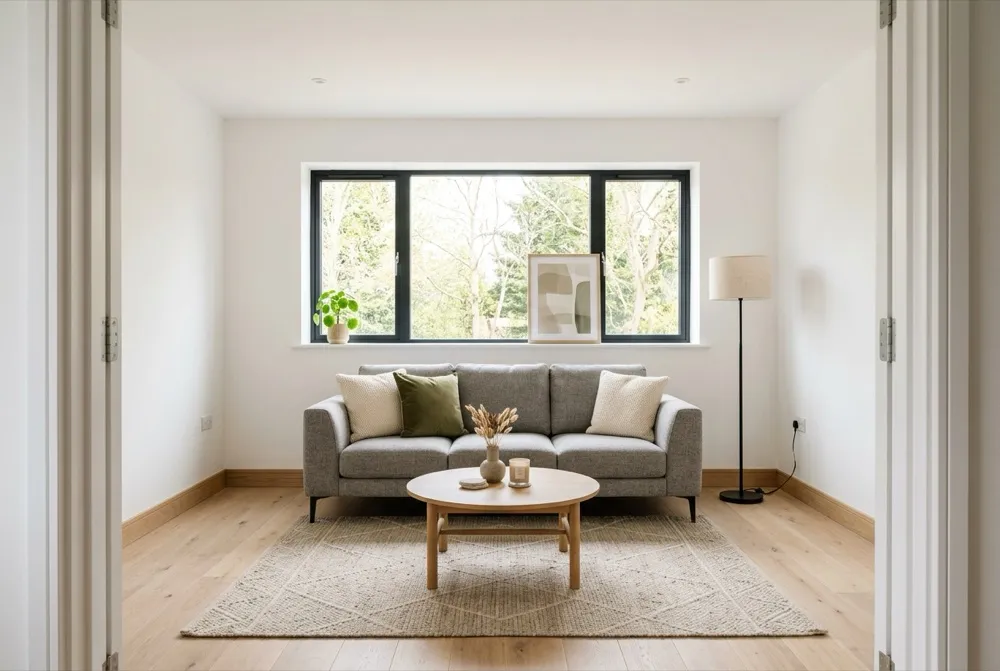
Virtual Staging
Explore furnishing ideas for an empty property photo.
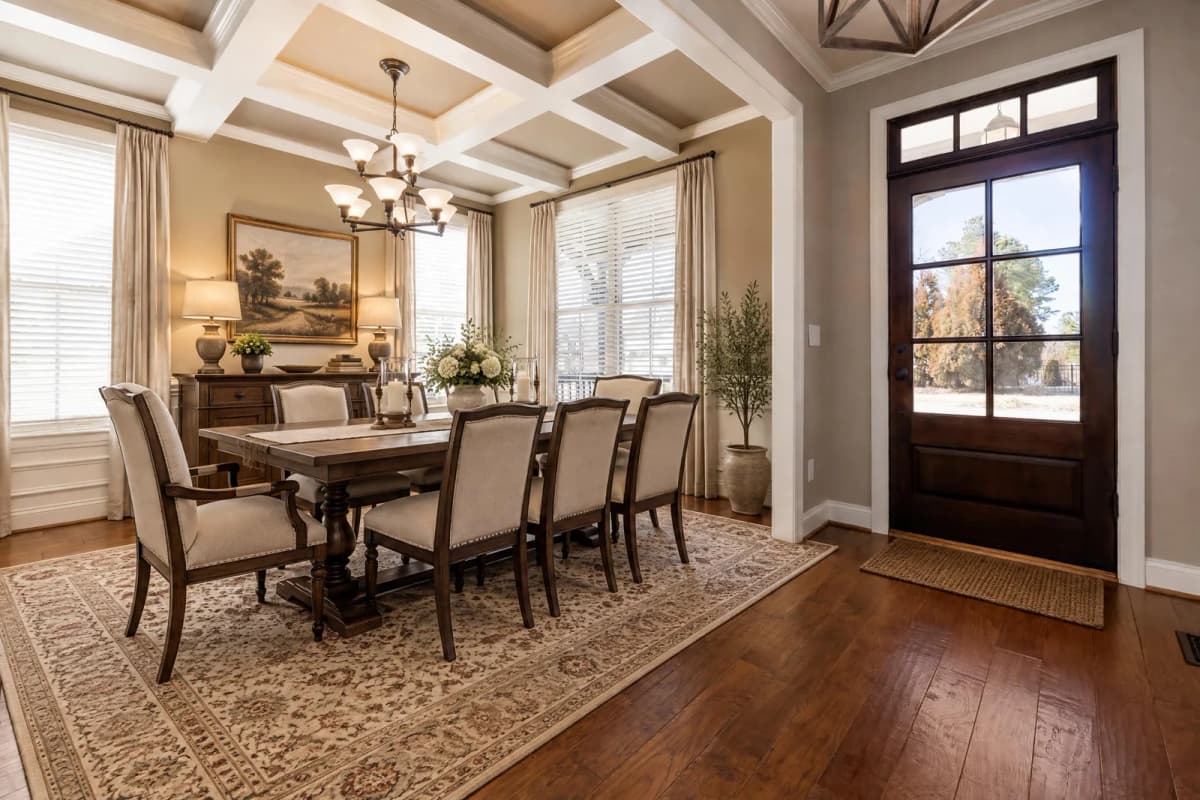
Dining Room Virtual Staging
Furnish an empty dining room photo with a table and chairs.
AI Real Estate Video
Turn property photos into an AI video with camera motion and music.
Virtual Twilight
Turn a daytime exterior photo into a twilight image.